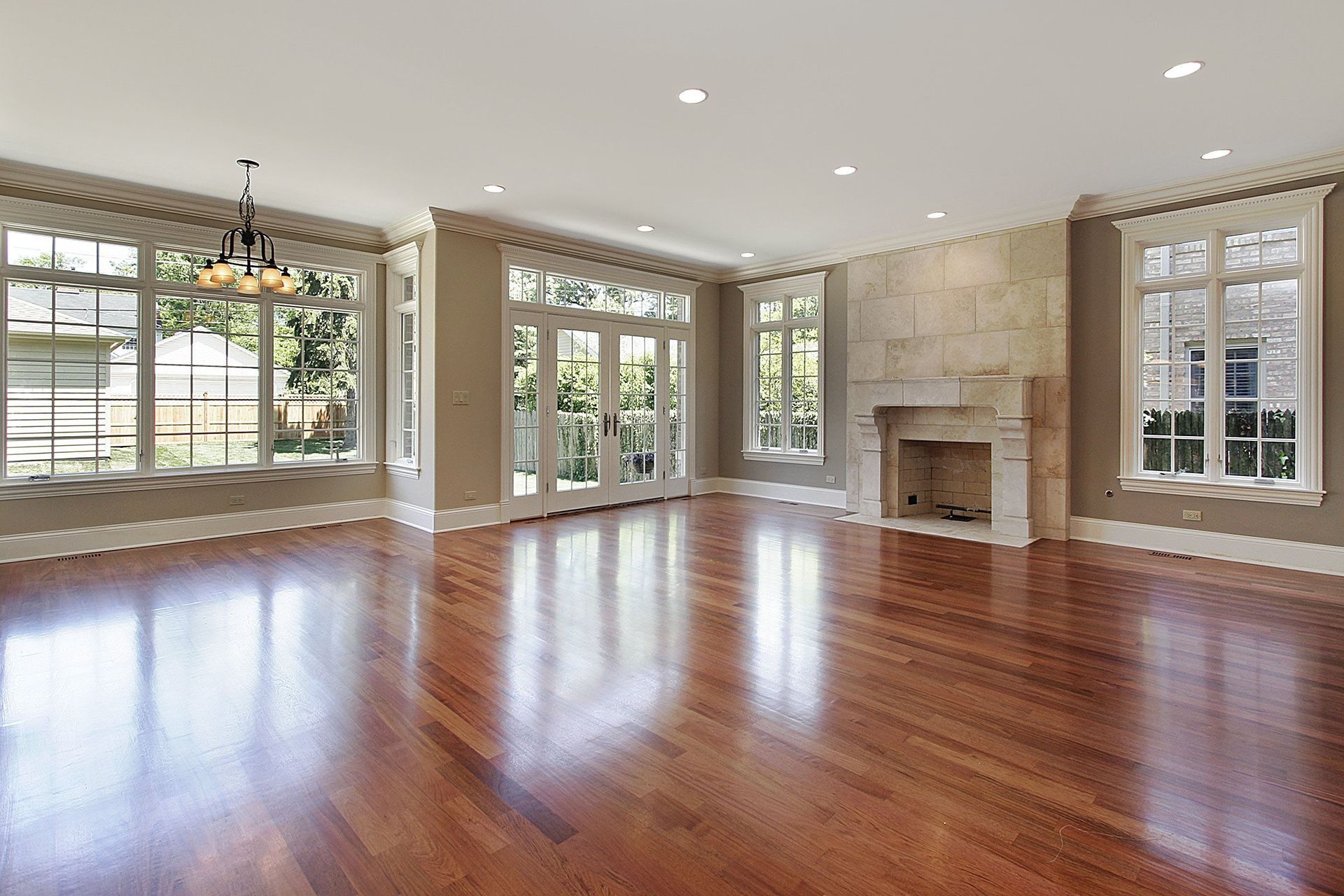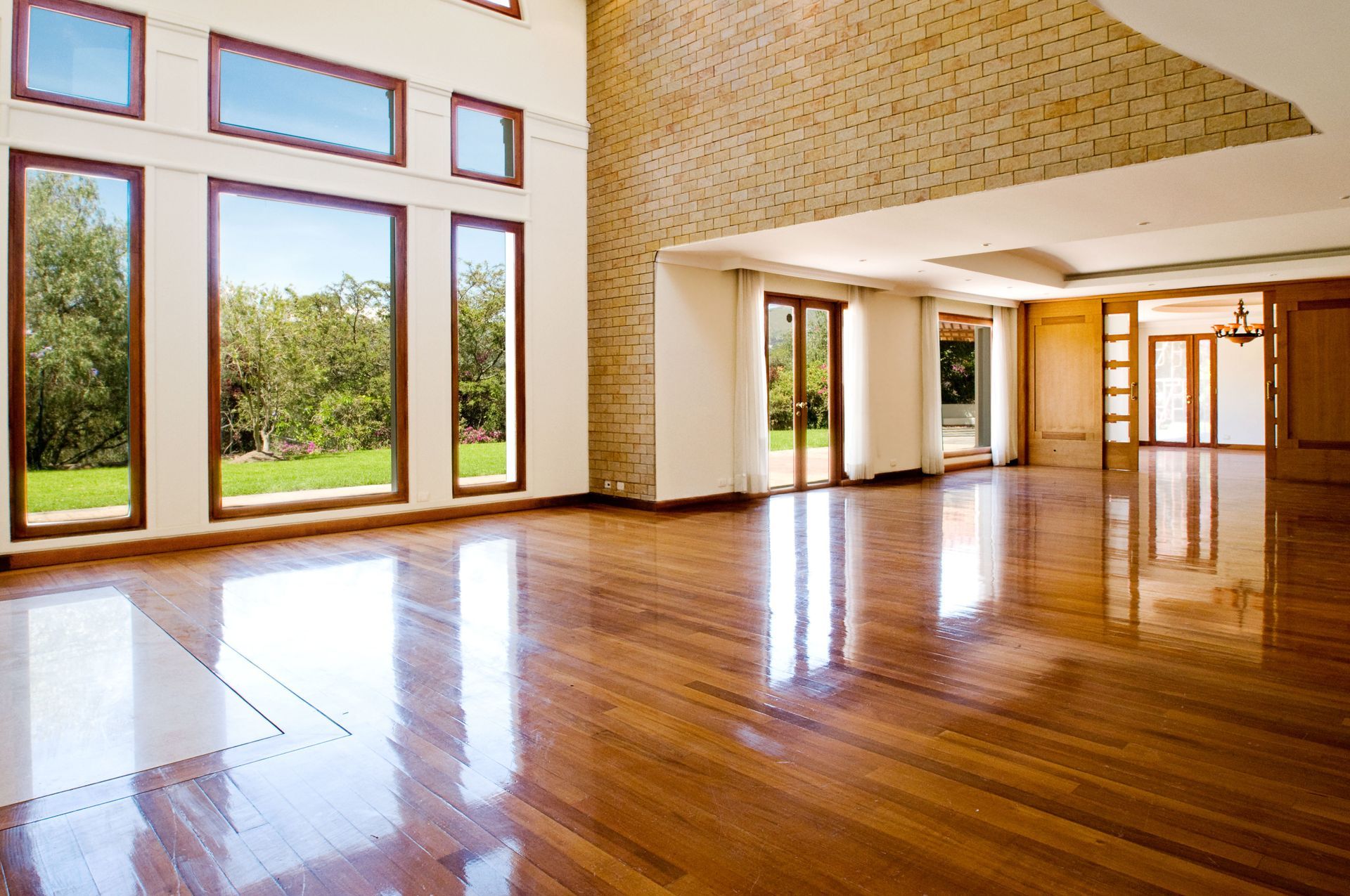
When entering any residential home, commercial office, or retail establishment, the immediate visual impression and physical ambiance are dictated by what lies directly beneath your feet. Surfaces covering the ground absorb every step, anchor interior design aesthetics, endure continuous physical wear, and carry the weight of daily human activity. While walls and ceilings frame an interior, the materials underfoot take the brunt of day-to-day existence—bearing heavy foot traffic, falling objects, liquid spills, pet claws, and the constant friction of shifting furniture.
Despite its central role in property functionality and comfort, many property owners view floor installation as a straightforward cosmetic upgrade or a weekend do-it-yourself venture. In reality, modern floor covering is an exacting trade governed by material science, structural engineering, moisture mitigation, and precision craftsmanship. A single unaddressed subfloor dip, an improper expansion gap, or an unmitigated moisture barrier issue can ruin thousands of dollars of materials within months. To achieve a durable, stunning, and long-lasting finish, working with professional trade specialists is an essential investment.
The professional infrastructure supporting this critical sector is vast and vital to the built environment. According to RevenueRanked, there are 109,078 active flooring contractor businesses operating across the United States. This substantial network of dedicated trade professionals ensures that whether you are planning a whole-home hardwood renovation, laying commercial luxury vinyl tile in a healthcare facility, or retrofitting an industrial warehouse, experienced specialists are equipped to manage every stage of preparation and installation.
Let’s take a comprehensive look at why partnering with established flooring companies is essential for protecting your property value, family health, and interior comfort.
1. Meticulous Subfloor Diagnostics and Structural Engineering
The most common misconception in home renovation is that laying a new floor is merely about placing planks, tiles, or carpet on top of an existing surface. In the trade, experienced installers recognize a universal truth: a floor is only as sound, level, and durable as the subfloor underneath it.
When you hire professional flooring specialists, the installation process begins with an in-depth evaluation of your subfloor structure:
- Leveling and Planarity: Wood joists settle, concrete slabs warp, and microscopic unevenness accumulates over decades. Installers use precision straightedges and self-leveling underlayment compounds to grind down high spots and fill low dips, ensuring rigid planks or porcelain tiles do not flex, creak, or crack underfoot.
- Moisture Testing and Vapor Barriers: Moisture is the primary enemy of interior materials. Ground moisture seeping up through a concrete slab or humidity circulating through a crawlspace can cause hardwood to cup, laminate to swell, and vinyl adhesives to dissolve. Certified contractors perform calcium chloride or relative humidity (RH) probe testing to calculate moisture emission rates, applying specialized epoxy moisture barriers and vapor membranes where required.
- Structural Load Capacity: In tile installations, technicians assess deflection ratings ($L/360$ or $L/720$) across support joists to verify the structure can bear the heavy weight of stone or ceramic without structural sagging.
Skipping these diagnostic steps is the leading cause of premature floor failure. By addressing subterranean irregularities upfront, professional teams provide a level, rock-solid base that guarantees longevity.
2. Navigating Material Science and Climate Demands
The modern surface market offers an extraordinary variety of materials, each engineered with distinct chemical compositions, thermal thresholds, water-resistance ratings, and aesthetic profiles. Navigating the differences between solid prefinished hardwoods, engineered woods, Luxury Vinyl Plank (LVP), laminate, porcelain tile, terrazzo, and commercial carpet can easily overwhelm property owners.
Experienced flooring contractors act as invaluable design and technical consultants, guiding clients toward materials that harmonize with their regional climate, lifestyle needs, and room traffic
Furthermore, natural woods and composite materials require careful acclimation. Professional contractors measure ambient interior humidity and moisture levels in the wood planks, ensuring materials adjust to the home's indoor climate for several days before installation begins. This vital acclimation prevents unsightly winter buckling, bowing, or gaping between boards.
3. Advanced Craftsmanship, Cutting Techniques, and Layout Balance
Flawless floor installation requires a blend of mathematical precision and artistic craftsmanship. Cutting and laying materials requires mastery of specialized power saws, jamb cutters, pneumatic staplers, notch trowels, and precision spacers.
A DIY or handyman installation frequently reveals itself through telltale signs: uneven stair transitions, awkward slivers of tile along prominent walls, visible seams in sheet vinyl, or chipped plank edges around complex door casings.
When you contract an established company, you benefit from meticulous layout planning:
- Aesthetic Sightlines and Centering: Technicians snap chalk lines and dry-lay patterns to center the field, ensuring that cuts on opposing walls are symmetrical and visually balanced.
- Undercutting Door Jambs: Installers undercut wooden door frames so planks slide neatly underneath, creating a seamless, custom-built look without clumsy silicone caulk lines.
- Expansion Dynamics: Because temperature and humidity fluctuate across the seasons, floating materials expand and contract continuously. Professional installers leave exact 1/4-inch to 1/2-inch perimeter expansion gaps concealed under baseboards, preventing planks from lifting or forming peaks in the summer heat.
4. Protecting Indoor Air Quality and Family Health
Modern building science places significant emphasis on indoor environmental health. Many low-grade imported synthetic floor coverings, cheap adhesives, and polyurethane finishes emit high levels of Volatile Organic Compounds (VOCs) through off-gassing. These chemical fumes can trigger respiratory irritation, headaches, and allergic reactions, especially in young children and pets who spend substantial time directly on the floor.
Trusted flooring companies prioritize health and sustainability by:
- Sourcing materials certified by rigorous environmental standards, such as FloorScore, GREENGUARD Gold, and the Forest Stewardship Council (FSC).
- Using zero-VOC or low-VOC adhesives, sealants, and waterborne finishes that eliminate toxic chemical odors.
- Deploying industrial HEPA dust-containment systems during wood sanding or tile cutting, capturing 99.9% of microscopic airborne silica dust and wood particles before they circulate into your HVAC ductwork.
Prioritizing safe installation materials and dust control keeps your home's air clean, breathable, and safe throughout the renovation process.
5. Safeguarding Manufacturer Warranties and Investment Value
High-end surface materials represent a substantial financial investment that directly elevates your property's resale value and market equity. Premium hardwood, stone, and luxury vinyl collections often come backed by extensive 20-year, 30-year, or lifetime manufacturer warranties.
However, manufacturer warranty guidelines contain strict, fine-print stipulations regarding installation standards. If a floor fails due to improper underlayment, incorrect fastener spacing, uneven subfloor preparation, or failure to perform moisture testing, the manufacturer will deny warranty coverage. Attempting a DIY installation or hiring an unlicensed contractor immediately shifts all financial liability onto your shoulders.
By working with certified flooring professionals, you safeguard your investment. Certified contractors are factory-trained in manufacturer-approved installation specifications. Moreover, reputable businesses back their craftsmanship with written labor warranties, guaranteeing that if a transition strip loosens or a plank separates, they will return to resolve the issue at no expense to you.
A room’s floor is not merely a passive backdrop; it is an active architectural element that influences comfort, thermal acoustics, air quality, and visual harmony every single day. While the massive national scale of the sector—highlighted by the 109,078 active flooring contractor businesses operating across the United States—demonstrates the indispensable economic role of the trade, the true value is experienced directly within your living space.
Investing in experienced, credentialed professionals eliminates the costly guesswork, physical strain, and structural risks of unverified installations. From advanced subfloor moisture testing and level planarity to artistic plank alignment, health-conscious dust containment, and ironclad warranty protections, professional craftsmanship ensures your property rests on a resilient, breathtaking foundation built to last for generations to come. Reach out to Bridger Mountain Floors today to see how we can help you!